
Why clinics choose Orva over Limber Health
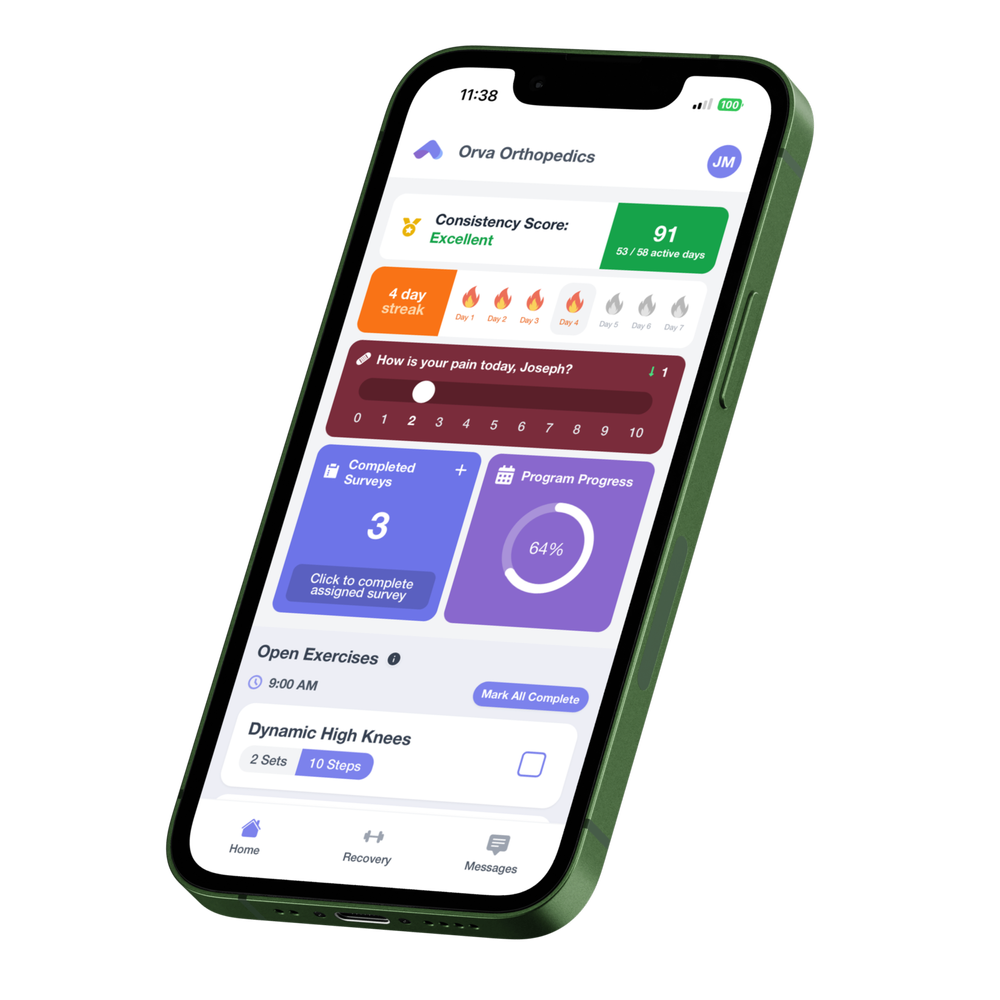
Limber can hand your patients to its own Care Navigators between visits, while Orva keeps Real RTM™ with your own therapists through an app patients want to open.
7-day free trial · No credit card · Set up in your clinic today


 and more
Your patients hear from your therapists, not a vendor's staff
Limber's turnkey model puts its own Care Navigators between your clinic and your patients. Orva keeps that relationship with the people who treat them.
Your therapist stays informed through progress reports.
Every check-in and program change comes from someone your patient already trusts.
Medicare has proposed ending payment for outsourced RTM
Under the proposed 2027 Physician Fee Schedule, RTM would be paid only when the work is done by staff the billing practice employs. Time logged by a vendor's contracted staff would no longer count.
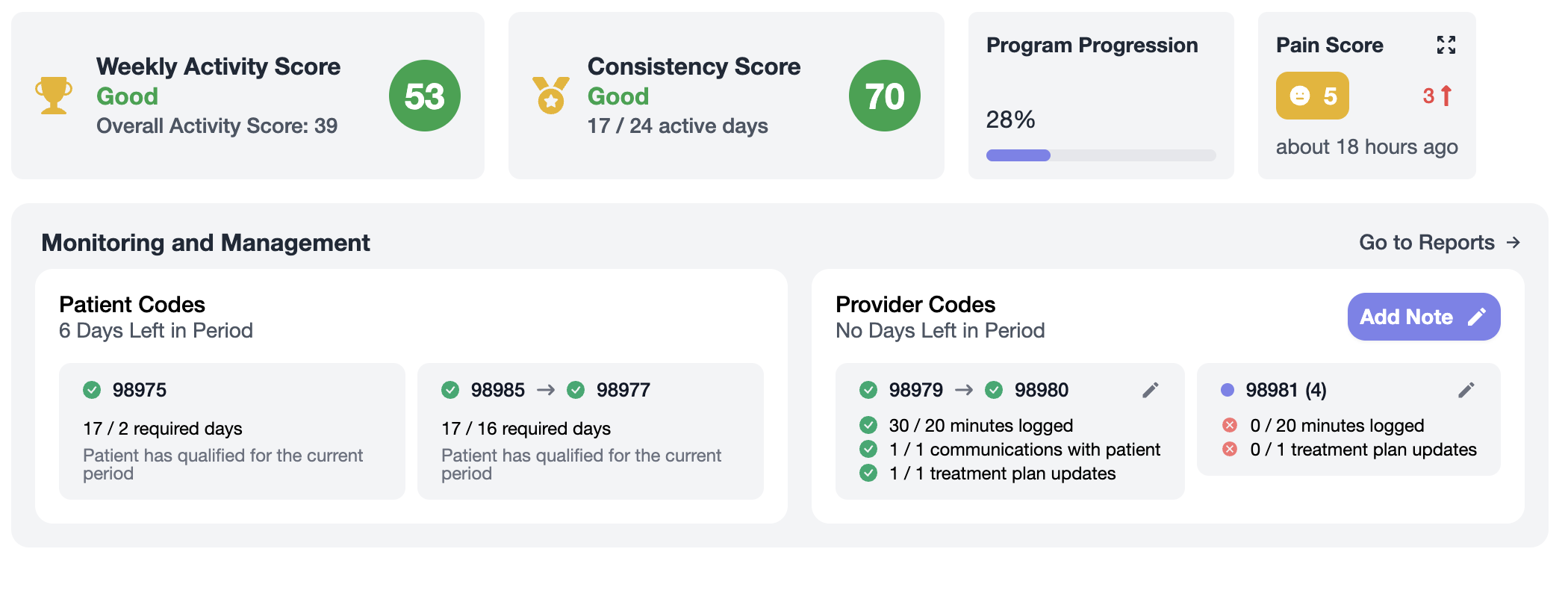
Every RTM requirement, tracked in one place
Your therapists see who is on track, who needs attention and which codes are met, across all six musculoskeletal RTM codes.
Orva and Limber, side by side
“We’d considered RTM for a while, but nothing felt right for our patients or our staff, until Orva. Our own therapists stay connected with patients between visits, patients want to use the app, and every requirement is tracked in the background. It fits right into how we already work, making the BIG Difference, and the Orva team has been with us every step of the way. It’s the best HEP and RTM platform we’ve used.”
Three patient engagement acquisitions in one year
Limber's parent company, Net Health, has been buying products that overlap with each other.
Alinea Engage
Patient engagement
Limber Health
RTM, home exercise and outcomes
Keet Health, from WebPT
Outcomes and RTM
Before you commit your patients to one of them, ask which product you are buying and where it will be in two years.
On WebPT? Preferred doesn't mean required.
Limber became WebPT's preferred RTM partner when Net Health bought Keet. Your clinic still chooses its own platform, and Orva works with clinics on WebPT today.
Switch from Limber without disrupting a single patient
-
Start your free trial
Sign up and explore with a demo patient. No credit card and no sales call.
-
Enroll new patients in Orva
New evaluations start on Orva, so your team learns on fresh episodes of care.
-
Let current episodes finish
Patients already on Limber complete their plan of care where they are.
Questions clinics ask before switching
Isn't outsourced monitoring easier for a busy clinic?
It can look easier at first. It also moves the between-visit relationship to people your patients have never met, and Medicare's proposed 2027 rule would stop paying for RTM time logged by a vendor's contracted staff. Orva handles the tracking, reminders and documentation so your own team can focus on the clinical work.
We use WebPT. Do we have to use Limber?
No. Limber is WebPT's preferred partner, but your clinic chooses its own RTM platform. Orva works with clinics on WebPT today.
Will switching interrupt care for our current patients?
Not if you phase it in. Start new evaluations on Orva and let existing Limber patients finish their plan of care where they are.
Does Orva include home exercise programs and outcomes?
Yes. Home exercise programs, patient-reported outcomes, messaging and RTM all live in one system, so the work patients do at home feeds directly into what your clinic can bill.
Which RTM codes does Orva support?
All six musculoskeletal RTM codes, 98975, 98985, 98977, 98979, 98980 and 98981, including the two added in 2026.
How is Orva priced?
Orva's pricing is based on results. Start a free trial to see it in your own clinic first.
Sources. Limber's RTM models from limberhealth.com, October 2026. Acquisitions from Net Health announcements on Limber Health (June 3, 2025) and Keet Health (January 13, 2026), and reporting on Alinea Engage (January 2025). Medicare information from the CY 2027 Physician Fee Schedule proposed rule (CMS-1848-P), released July 14, 2026, which is not final. Limber Health, Net Health and the EMR names and logos shown are trademarks of their respective owners.